
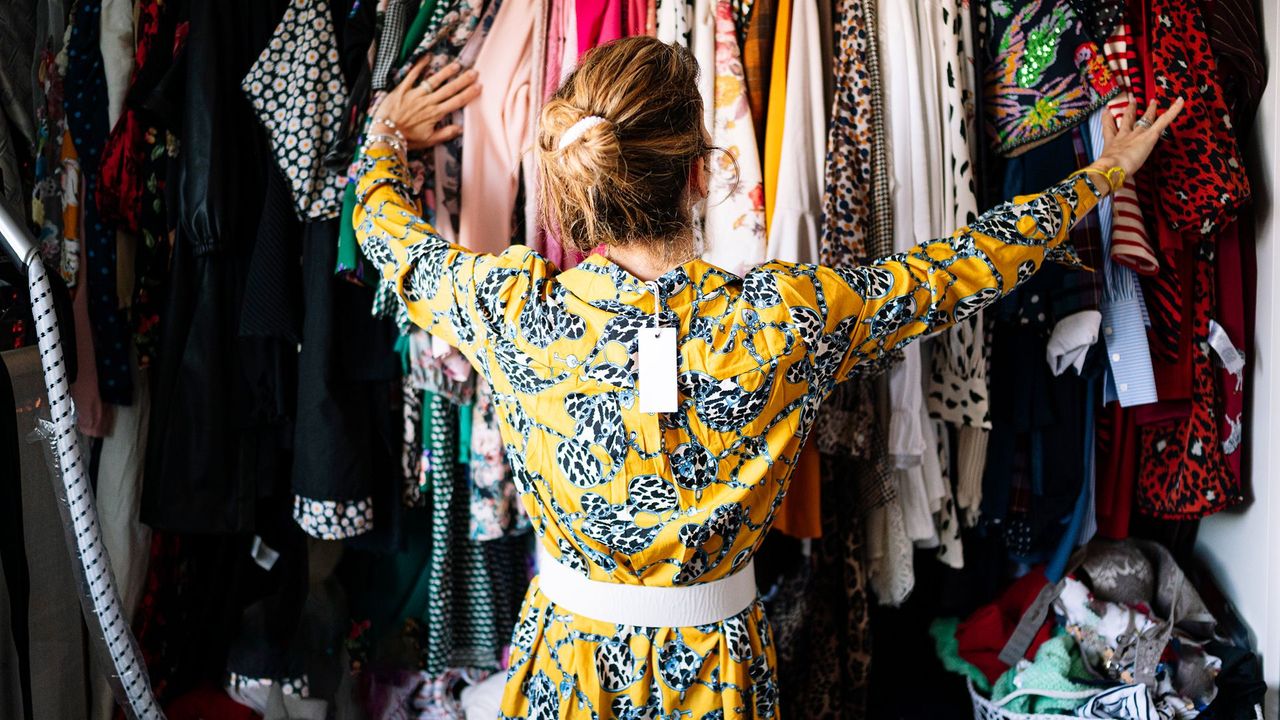
Clothing serves many purposes beyond merely covering our bodies; it is a reflection of identity, culture, and societal trends. The garments we choose speak volumes about who we are and the messages we wish to convey. This article examines the intricate dimensions of clothing, exploring its historical significance, cultural implications, psychological effects, and the pressing issue of sustainability in fashion.
The Historical Context of Clothing
The history of clothing stretches back thousands of years, deeply entwined with human development. Early humans crafted garments from animal hides and plant fibers, focusing on survival and practicality. As societies evolved, clothing became more complex, influenced by factors such as geography, climate, and available resources.
In ancient civilizations, clothing was often a marker of status and identity. For instance, in ancient Egypt, linen was favored due to its breathability, suitable for the hot climate. Conversely, in colder regions, wool and leather became essential. As social structures developed, elaborate garments adorned with jewels and intricate designs emerged, signaling wealth and power. This practice of using clothing to indicate status remains prevalent today, with designer brands often embodying exclusivity and luxury.
Cultural Significance of Fashion
Fashion is an essential component of cultural identity. Each culture has unique styles that reflect its history, beliefs, and values. For example, the colorful saris of India are not merely articles of clothing; they represent a rich cultural heritage and artistry. Similarly, the kimono in Japan is steeped in tradition, often worn during significant life events and ceremonies.
Clothing also plays a role in political expression. Throughout history, garments have been used to communicate social messages. The suffragette movement, for instance, utilized white attire to symbolize purity and determination in the fight for women’s rights. In modern times, fashion continues to be a platform for advocacy, with designers creating collections that highlight issues such as climate change, racial equality, and body positivity.
The Psychological Influence of Clothing
The choices we make regarding clothing can significantly impact our mood and self-perception. This concept, known as “enclothed cognition,” posits that what we wear affects not only how we feel but also how we perform. For example, wearing formal attire can boost confidence and enhance productivity, while casual wear may evoke relaxation and comfort.
Research has shown that people often form judgments based on appearance within moments of meeting someone. This emphasizes the importance of dressing appropriately for different occasions, whether it be a job interview, a social gathering, or a formal event. Understanding these dynamics allows individuals to select outfits that resonate with their aspirations and the image they wish to project.
The Challenges of Fast Fashion
In the contemporary fashion landscape, fast fashion has emerged as a significant concern. This model encourages rapid production and consumption of inexpensive clothing, leading to a culture of disposability. As trends change quickly, garments are often worn only a few times before being discarded, contributing to significant environmental waste.
The fast fashion industry is notorious for its negative impact on both the environment and labor practices. Many brands prioritize profit over ethical considerations, often sourcing materials from unsustainable practices and employing workers in exploitative conditions. As awareness of these issues grows, more consumers are seeking alternatives that align with their values.
Embracing Sustainable Fashion
Sustainability in fashion is becoming increasingly important as consumers demand more responsible practices. The slow fashion movement advocates for a shift from disposable trends to timeless designs. This approach encourages individuals to invest in quality garments that are durable and made from sustainable materials.
Many brands are responding to this demand by implementing ethical practices, such as using organic fabrics, minimizing waste through recycling, and ensuring fair labor conditions. Some companies are even exploring innovative materials, like plant-based fibers and recycled plastics, to reduce their ecological footprint.
The emphasis on sustainability also encourages consumers to rethink their shopping habits. Instead of purchasing numerous cheap items, many are opting for a capsule wardrobe—a collection of versatile pieces that can be mixed and matched to create various outfits. This mindful approach not only benefits the environment but also fosters a deeper appreciation for the craftsmanship and thoughtfulness behind each garment.
The Future of Clothing
As we look ahead, technology is poised to reshape the fashion industry. Innovations such as 3D printing and artificial intelligence are changing how garments are designed and produced. These advancements may lead to more customized clothing options, allowing consumers to create unique pieces tailored to their preferences.
Additionally, digital fashion is gaining traction, particularly within online environments and gaming platforms. This trend allows for creative self-expression without the environmental impact associated with traditional manufacturing processes.
Clothing is a rich tapestry woven with history, culture, and personal expression. Understanding its complexities allows us to appreciate the roles it plays in our lives, from defining our identities to making societal statements. By embracing sustainability and ethical practices, we can contribute to a fashion landscape that respects both individuality and the planet. The choices we make in our wardrobes can foster a more thoughtful and conscious approach to style, ensuring that clothing continues to be a meaningful aspect of our lives.
 Shopping Art Blog