
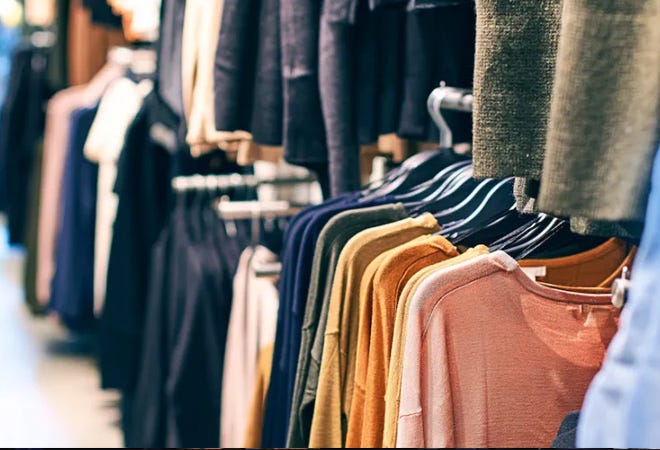
Clothing is an essential aspect of human existence, serving not only to shield us from the elements but also to express our identities, cultures, and values. The garments we wear can reveal much about our personalities and societal roles, making clothing a fascinating subject for exploration. This article delves into the multifaceted world of clothing, examining its historical roots, cultural significance, psychological effects, and the pressing issue of sustainability.
Historical Roots of Clothing
The history of clothing is intertwined with human evolution. Early humans fashioned rudimentary garments from animal hides and natural materials, focusing primarily on practicality. As civilizations developed, so did clothing styles. In ancient Egypt, for instance, linen became a staple due to its lightness, while colder climates necessitated the use of wool and leather.
Clothing also played a pivotal role in establishing social hierarchies. In many societies, elaborate attire signified wealth and status. For example, the use of silk in China was historically restricted to the emperor and his court, highlighting the connection between clothing and power. This legacy continues to influence fashion today, where designer labels often symbolize exclusivity and prestige.
Cultural Significance of Fashion
Clothing acts as a canvas for cultural expression, reflecting traditions, beliefs, and social norms. Each culture boasts unique styles shaped by its history and environment. The intricately woven saris of India, for example, are not merely garments; they embody the country’s rich heritage and craftsmanship. Similarly, the kimono in Japan represents a blend of artistry and cultural values, often worn during significant life events.
Furthermore, clothing can serve as a medium for political expression. Throughout history, garments have been employed to communicate dissent and solidarity. The suffragette movement in the early 20th century, for instance, used white clothing as a symbol of purity and determination in the fight for women’s rights. Today, we see similar themes in fashion, where designers create collections that address social issues, from climate change to gender equality.
The Psychological Impact of Clothing
The clothes we choose can significantly influence our moods and perceptions. This concept, often referred to as “enclothed cognition,” suggests that what we wear can affect our behavior and how others perceive us. For example, donning professional attire can enhance feelings of confidence and authority, while casual clothing may evoke relaxation and comfort.
Research indicates that our clothing choices impact social interactions. People often make quick judgments based on appearance, which underscores the importance of dressing appropriately for different contexts—be it a formal event, a casual outing, or a job interview. Understanding these dynamics can empower individuals to select outfits that align with their aspirations and the impressions they wish to create.
The Impact of Fast Fashion
In contemporary society, the fashion industry faces scrutiny for its environmental and ethical implications. The rise of fast fashion has led to a culture of disposability, where consumers frequently purchase inexpensive garments that are quickly discarded. This practice contributes to significant waste, pollution, and exploitation of labor.
Fast fashion brands often rely on rapid production cycles, which prioritize low costs over sustainable practices. Workers in developing countries frequently face poor working conditions and minimal pay. As awareness grows, many consumers are shifting toward more responsible choices, supporting brands that prioritize ethical manufacturing and sustainable materials.
Embracing Sustainability in Fashion
As the negative impacts of fast fashion become increasingly evident, a movement toward sustainability is gaining momentum. Sustainable fashion emphasizes quality over quantity, advocating for timeless designs and ethical production methods. Consumers are encouraged to invest in fewer, higher-quality items that will last longer and have a smaller ecological footprint.
Brands are responding by incorporating sustainable practices into their operations. Many now utilize organic fabrics, implement recycling initiatives, and adopt fair labor practices. The rise of the slow fashion movement encourages a shift away from impulsive buying, promoting mindfulness and a deeper appreciation for the craftsmanship behind garments.
The Future of Clothing
Looking ahead, technology is poised to transform the fashion landscape. Innovations such as 3D printing and virtual reality are set to change how garments are designed and produced. These advancements may streamline production, allowing for greater customization and reduced waste.
Moreover, the concept of digital fashion is emerging, with virtual clothing gaining traction in online environments and gaming platforms. This trend opens up new avenues for self-expression without the environmental consequences associated with traditional fashion.
Clothing is much more than fabric stitched together; it is a profound aspect of our lives that encapsulates history, culture, and personal expression. By understanding the intricacies of fashion, we can appreciate its role in shaping our identities and the world around us. As we move forward, embracing sustainability and ethical practices will be essential for creating a fashion landscape that respects both people and the planet.
 Shopping Art Blog