
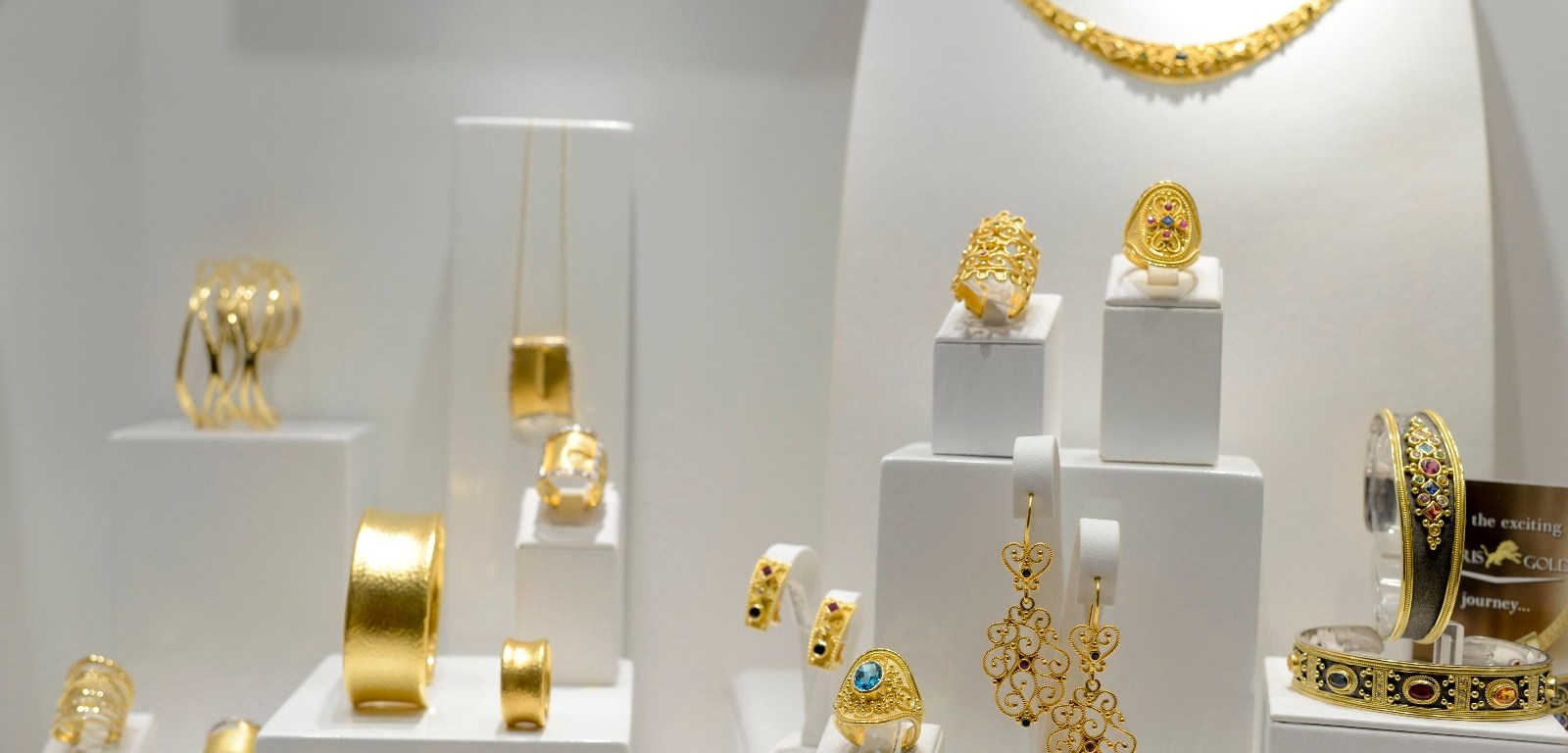
Jewelry has been an integral part of human culture for thousands of years, serving not just as an adornment but as a significant form of expression, identity, and even status. From ancient civilizations to modern fashion runways, the world of jewelry is rich, diverse, and endlessly fascinating. This guide explores the various facets of jewelry, including its history, types, symbolism, and care tips, providing a holistic understanding of why these beautiful pieces continue to captivate hearts and minds.
A Glimpse into History
The history of jewelry dates back to ancient civilizations. Archaeological evidence suggests that early humans adorned themselves with items made from natural materials such as shells, bones, and stones. These primitive accessories often held spiritual or protective significance. For instance, in ancient Egypt, jewelry was not only a sign of wealth but also believed to have magical properties. Gold, a symbol of eternity, was frequently used in burial artifacts to accompany the dead into the afterlife.
As societies evolved, so did the craftsmanship of jewelry. The Greeks and Romans began to experiment with more complex designs, incorporating gemstones and intricate metalwork. The Renaissance period marked a significant turning point, with advancements in techniques and styles that led to the ornate pieces we often associate with historical luxury. Today, jewelry continues to reflect the values and aesthetics of different cultures, acting as a window into the social fabric of societies.
Varieties of Jewelry
Jewelry encompasses a wide range of types, each serving unique purposes and styles. Here are some of the most notable categories:
1. Necklaces
Necklaces can vary greatly in length, design, and materials. From delicate chains to bold statement pieces, they can be simple or extravagant. Common styles include pendants, chokers, and beaded designs. A well-chosen necklace can accentuate the neckline and complement various outfits.
2. Earrings
Earrings have evolved from basic studs to elaborate chandeliers. They can frame the face, draw attention to the eyes, and complete a look. Different styles, such as hoops, drops, and ear cuffs, allow for endless possibilities, catering to every taste and occasion.
3. Bracelets
Whether worn alone or stacked, bracelets are a versatile accessory. They can be made from metal, leather, or fabric and can feature charms, gemstones, or intricate designs. Bangles, cuffs, and friendship bracelets each carry their own significance and style.
4. Rings
Rings often symbolize commitment and love, especially in the context of engagement and wedding bands. However, they can also be worn for fashion or personal expression. Statement rings, stacking rings, and birthstone rings are just a few examples of the myriad options available.
5. Brooches and Pins
Though less common today, brooches and pins have a storied history, often used to denote rank or affiliation. They can add a touch of elegance to any outfit, whether pinned to a coat or worn on a scarf.
The Symbolism Behind Jewelry
Jewelry is steeped in symbolism, often reflecting personal beliefs, milestones, or cultural significance. For example:
- Wedding Rings: Traditionally symbolize eternal love and commitment, often worn on the fourth finger of the left hand, believed to have a direct vein to the heart.
- Birthstones: Each month has a designated gemstone, believed to bring good luck and protection to those born in that month.
- Charm Bracelets: These often tell a story, with each charm representing a significant moment or memory in the wearer’s life.
Understanding these meanings can enhance the emotional value of jewelry, making each piece even more special.
Caring for Your Jewelry
To maintain the beauty and longevity of jewelry, proper care is essential. Here are some practical tips:
- Storage: Keep jewelry in a cool, dry place, ideally in a soft pouch or a jewelry box with compartments to prevent scratching and tangling.
- Cleaning: Regularly clean pieces with a soft cloth to remove dirt and oils. For more thorough cleaning, use a mild soap solution and a soft brush, avoiding harsh chemicals that can damage metals and stones.
- Avoiding Damage: Remove jewelry before engaging in activities that could cause scratches or damage, such as exercising, swimming, or doing household chores.
- Professional Care: For valuable or intricate pieces, consider having them professionally cleaned and inspected regularly, ensuring that settings are secure and stones are intact.
The Personal Touch
Jewelry often carries personal significance, whether it’s a family heirloom passed down through generations or a custom piece designed to commemorate a special occasion. This personal connection is what makes jewelry truly unique. Many people choose to create bespoke items, working with jewelers to craft one-of-a-kind pieces that reflect their individuality and style.
Final Reflections
Jewelry is much more than a simple accessory; it embodies history, culture, and personal meaning. Each piece tells a story, adding depth and character to both the wearer and the item itself. Whether it’s a pair of sparkling earrings or a cherished family ring, the allure of jewelry remains timeless, a celebration of beauty and human expression.
 Shopping Art Blog